
Indoor air quality, often referred to as IAQ, describes the condition of the air inside your home and how it affects your comfort and health. While outdoor pollution has received widespread attention for decades, research shows that indoor air can contain significantly higher concentrations of contaminants.
Indoor Air Quality Solutions for a Healthier, Happier Home
Your local HVAC partner for more than 31 years
24/7 Emergency Services
Financing Options Available
Always On-Time, Guaranteed
Same-Day Service and Next-Day Installation
Breathe easier with whole-home indoor air quality solutions from Gold Medal
Licensed, highly trained HVAC technicians
Professional installation with attention to detail
100% customer satisfaction
Upfront pricing with no surprises
Indoor air quality affects more than comfort. Most people spend the majority of their time inside their homes, and the air you breathe indoors can be filled with pollutants that affect your health and wellbeing. According to the Environmental Protection Agency, indoor air can contain significantly higher concentrations of allergens, dust, pet dander, and volatile organic compounds (VOCs) than outdoor air, making indoor air quality one of the top environmental health risks homeowners face today.
Indoor air quality refers to the cleanliness and safety of the air inside your home as it relates to health and comfort.
Common indoor pollutants include:
Dust mites that thrive in carpets and bedding
Pet dander that clings to surfaces
Volatile organic compounds released from paint and household products
Biological contaminants like bacteria and viruses
Poor air quality can negatively impact your health
Airborne pollutants inside your home can trigger a wide range of symptoms, from mild irritation to more serious respiratory concerns. Because these particles circulate through your HVAC system and living spaces, exposure can be ongoing if the root cause is not addressed.
Indoor air pollutants may contribute to:
Nausea
Dizziness
Fatigue
Sneezing
Coughing
Eye and skin irritations
Congestion
Headaches
Allergic reactions
Respiratory tract infections
Asthma
At Gold Medal, we help homeowners in Central and Southern New Jersey, and parts of Eastern New York understand their indoor air quality and take action. A comprehensive IAQ plan combines multiple solutions tailored to your home’s unique needs. With the right combination of filtration, purification, and humidity control, you can reduce airborne contaminants and enjoy fresher, healthier air throughout every room.
The first step to cleaner air is better filtration
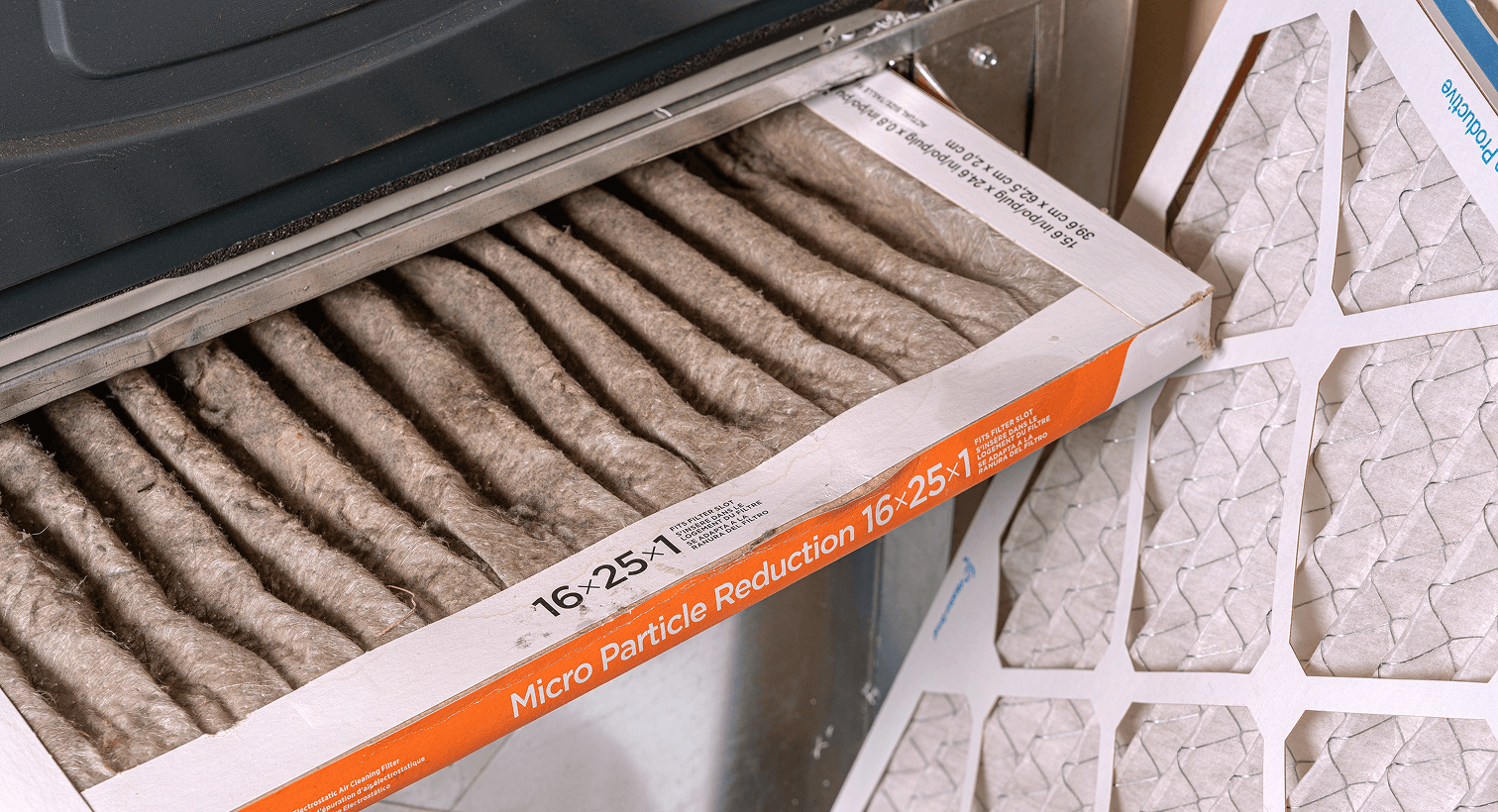
Your HVAC system’s air filter plays a big role in the quality of your indoor air. Basic air filters are designed to protect your equipment, but upgraded air filters can capture far smaller particles that standard filters miss.
High-efficiency HVAC filters trap:
Allergens
Dust
Pollen
Pet dander
By pairing the right filter with professional installation and maintenance, your system works more efficiently and your air feels cleaner.
Air purification adds another layer of protection
Indoor air pollutants go beyond particles. Odors, chemical vapors, bacteria, mold spores, and even certain viruses can circulate through your home’s air. Air purification systems work inside your HVAC system to neutralize or remove these contaminants before air recirculates.
Balanced humidity makes air feel healthier
Humidity is another key piece of indoor air quality. Air that is too dry can irritate skin and sinuses, increase static electricity, and make heated air feel colder. Too much humidity can encourage mold and bacterial growth. A whole-home humidifier works with your HVAC system to maintain the right moisture level throughout your house, improving comfort while helping to protect wood floors, furnishings, and even your HVAC system itself.
Let’s talk about the health of your air at home
Frequent coughing, increased allergy issues, or frequent bouts of illness are the first sign the air quality in your home needs help. Noticeable dust and dirt in your home is another sign you need an IAQ plan! No matter what your indoor air quality challenge, call now for an indoor air quality assessment by Gold Medal.
We also offer other HVAC services such as furnace repair, air conditioning installation, furnace replacement, and air conditioning repair. We use the latest tools to help determine the quality of your indoor air and can provide you with the products and services you need to improve your IAQ levels.
See why customers trust Gold Medal for indoor air quality services
Gold Medal provides indoor air quality solutions to New Jersey and New York
Gold Medal Service delivers trusted indoor air quality services across Central and Northern New Jersey as well as parts of New York, including communities near Hillburn and Nyack. Our experienced technicians understand the seasonal air quality challenges homeowners face and provide customized solutions to improve comfort and health.
Serving East Brunswick, Marlboro, Freehold, Manalapan, surrounding New Jersey communities, and select New York areas, we install and maintain advanced air filtration, purification, and humidity control systems that work seamlessly with your HVAC equipment. Count on dependable service and solutions designed to help your family breathe easier every day.
Read expert indoor air quality tips from Gold Medal
Questions about our indoor air quality services?
Not seeing what you’re looking for? Give us a call, and we’ll happily help!
Improving your indoor air quality starts with reducing the sources of pollutants in your home. Regular cleaning, vacuuming, and washing bedding can help minimize dust and allergens, while safely storing and limiting the use of household chemicals can reduce airborne irritants.
Allergies and asthma are two health problems that can be helped with clean indoor air. When airborne irritants are removed, allergy and asthma sufferers often find relief from their symptoms. Even healthy people who have never suffered from allergies can benefit from clean air. Dust, smoke and other particles float around in the air, causing your drapes and furniture to gather dust. By removing airborne dust particles, you reduce the amount of exposure your respiratory system has to them.
Poor indoor air quality (IAQ) can be the cause of numerous health problems. Medical groups report that as many as half of all illnesses are caused or aggravated by indoor air pollution. Pollutants in your home’s air can cause dizziness, headaches and nausea, plus aggravate allergies and asthma.
Clean indoor air benefits everyone, even people who have never suffered from allergies. By removing airborne dust particles from the air, the amount of exposure the respiratory system has to them is greatly reduced.
Allergens like pet dander and pollen are included in the category of indoor air pollutants called “particles,” defined as any substance measuring less than 100 microns in diameter. (One micron equals 1/25,000 of an inch in diameter.) The U.S. Environmental Protection Agency has found that small particles (less than 2.5 microns) are responsible for the health effects of greatest concern. That’s because these invisible contaminants can be inhaled deep into the lungs and move through the bloodstream.
If you or any of your family members have allergies, you could also do well by minimizing contact with chemicals, which are found in common household items like artificial air fresheners and bleach cleaners. Depending on the level present in your home, chemical fumes can prompt an allergic reaction, plus cause headaches, fatigue, dizziness, nausea and respiratory problems.
It’s not just your dog or cat that’s the culprit. Pollen particles can blow into your home through open windows, and they can get tracked inside by people and pets. Damp areas in your home can quickly lead to mildew buildup. Textile fibers from clothing, curtains and other fabrics produce and collect dust.
Ozone is a form of oxygen. In the earth’s stratosphere, it helps to block potentially harmful ultraviolet radiation from reaching the ground. However, at lower levels in the atmosphere (the air we breathe) it’s a product of pollution and can be dangerous. In-home air purifiers that make ozone should be avoided. Other ozone sources include items with electric motors such as vacuum cleaners and refrigerators.
You may have tried to attack the problem with an air-freshener spray or candle, but these tactics only mask the problem. They can also contaminate your home’s air with chemicals. One proven method of freshening the air is a PureAir™ air purification system, the indoor air quality systems that can safely remove and destroy odors and chemical vapors throughout your whole home.
No. Air filters vary significantly in efficiency and performance, so it’s important to choose a filtration system that matches your home’s needs and sensitivity to allergens.
Yes. Poor indoor air can trap allergens like dust mites, pet dander, pollen, and smoke. When these build up, they can trigger sneezing, congestion, itchy eyes, and breathing irritation. Improving filtration, humidity control, and ventilation can help reduce symptoms.
Common signs include lingering odors, excessive dust, frequent allergy symptoms, headaches, or stale air. You might also notice uneven humidity or poor airflow. An indoor air quality test or monitor can confirm if pollutant levels are high.
Poor indoor air is often caused by inadequate ventilation, high humidity, dirty HVAC filters, dust buildup, pet dander, smoke, and household chemicals from cleaning products or paints. Outdoor pollutants entering the home can also contribute.
Stuffy air usually means poor airflow or ventilation. This can happen when filters are dirty, vents are blocked, humidity is too high, or the home is tightly sealed with little fresh air exchange. HVAC maintenance, filter changes, and improved ventilation can help the air feel fresher and more comfortable.